Blog
Why Proper Concrete Preparation Matters More Than the Pour Itself
Hits: 74
When most people think about concrete work, they focus on the pour itself. But here’s the truth most homeowners don’t hear:
Concrete doesn’t fail from the top down—it fails from the ground up.
At Wally’s Concrete, we’ve seen countless slabs crack, sink, or shift not because of bad concrete—but because of poor preparation. In a climate like Denver, proper prep is often more important than the concrete itself.
Concrete Is Only as Strong as What’s Beneath It
Concrete is incredibly strong under compression, but it relies entirely on a stable, well-prepared base.
Without proper preparation:
-
Soil settles
-
Water pools under the slab
-
Freeze-thaw cycles cause movement
-
Cracks form prematurely
No amount of finishing skill can fix a bad foundation.
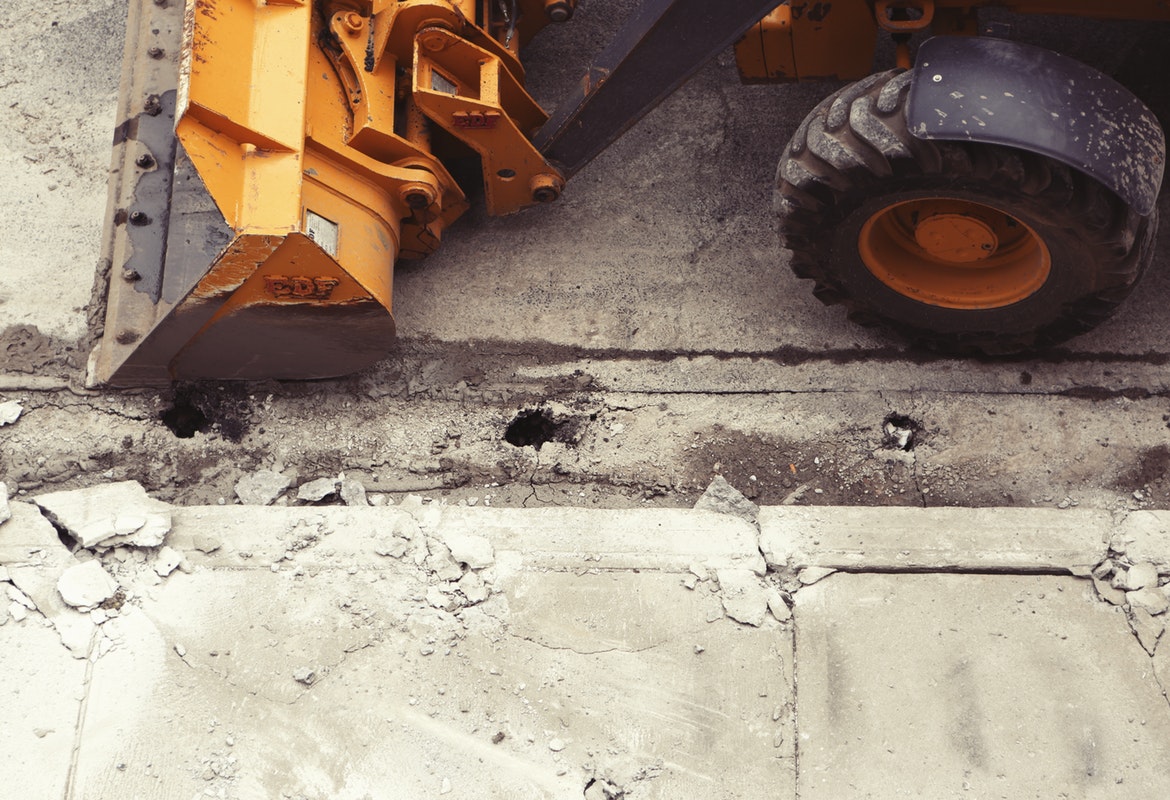
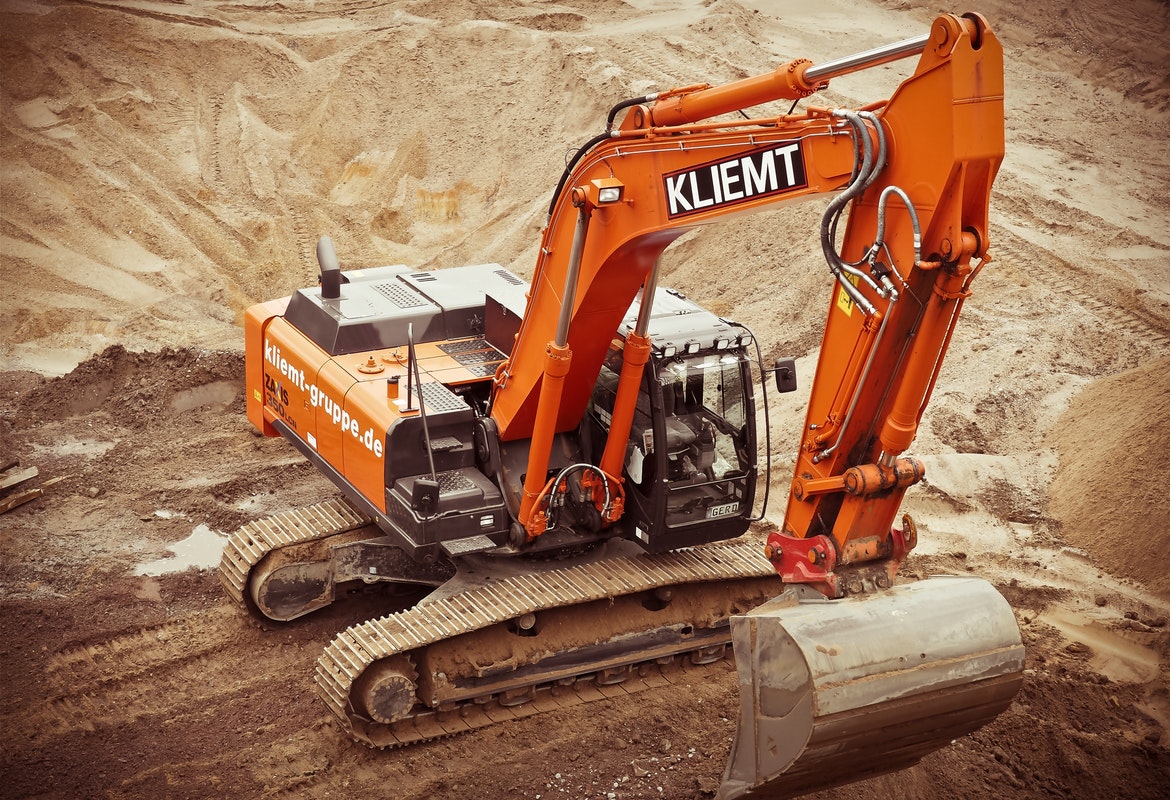
Step One: Proper Excavation
Preparation starts with removing the right material to the right depth.
This includes:
-
Removing soft or unstable soil
-
Excavating to proper thickness
-
Accounting for load requirements
Shallow excavation is a common shortcut—and one of the biggest causes of failure.
Step Two: Base Material & Compaction
A solid concrete base typically includes compacted gravel or road base.
Why this matters:
-
Provides uniform support
-
Prevents settling and shifting
-
Allows proper drainage
-
Reduces cracking over time
Compaction is critical. Loose base material almost guarantees future problems.
Step Three: Drainage & Grading
Water is concrete’s biggest enemy in Colorado.
Proper preparation ensures:
-
Water drains away from slabs
-
No pooling beneath concrete
-
Reduced freeze-thaw stress
Poor drainage leads to erosion under the slab, which eventually causes cracking and sinking.
Step Four: Reinforcement Planning
Reinforcement isn’t an afterthought—it’s part of preparation.
Depending on the project, this may include:
-
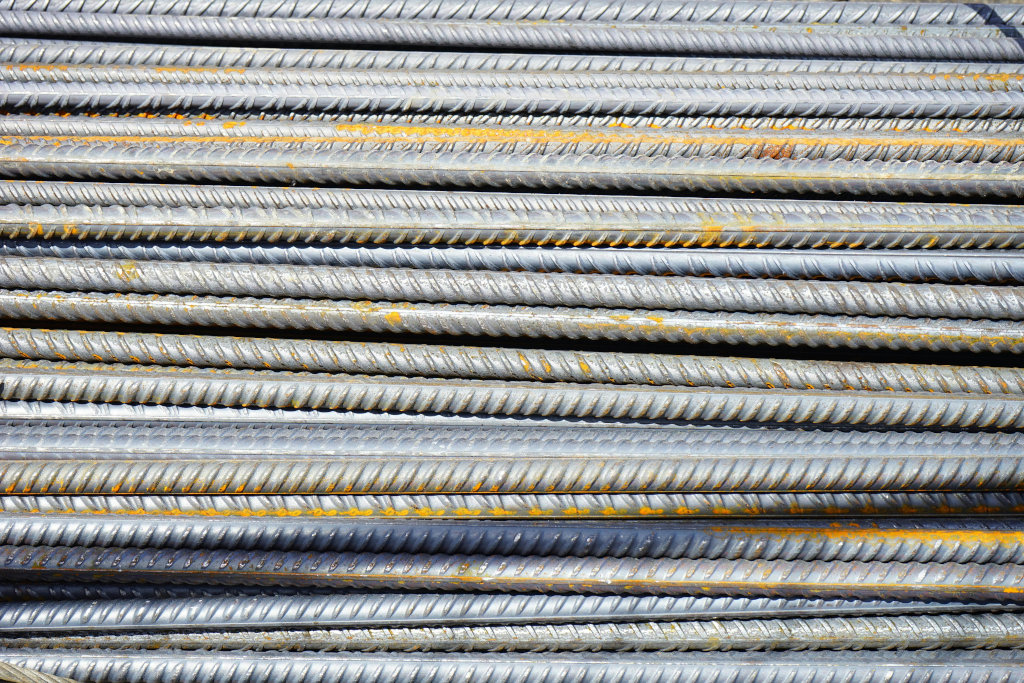
Rebar grids
-
Wire mesh
-
Fiber reinforcement
Reinforcement helps control cracking and increases long-term durability—but only works when placed correctly.
Step Five: Climate-Aware Planning
Colorado’s weather demands extra attention.
Proper prep accounts for:
-
Freeze-thaw cycles
-
Expansive soils
-
Snow melt and runoff
-
Temperature swings
Ignoring climate factors leads to concrete that looks good at first—but fails early.
Common Problems Caused by Poor Preparation
When prep is rushed or skipped, issues show up fast:
-
Cracks forming within months
-
Uneven or sunken slabs
-
Water pooling or ice buildup
-
Shortened lifespan
Many of these problems require full replacement, not simple repair.
Why Professional Preparation Saves Money
Proper preparation may cost a little more upfront—but it saves significantly over time.
Benefits include:
-
Fewer repairs
-
Longer lifespan
-
Better performance
-
Higher resale value
Cutting corners on prep almost always leads to higher long-term costs.
How Wally’s Concrete Does It Differently
At Wally’s Concrete, preparation is never rushed.
We focus on:
-
Proper excavation depth
-
Compacted, stable base layers
-
Drainage-focused grading
-
Reinforcement planned from day one
This is why our concrete holds up through years of Colorado weather.
The Bottom Line
The pour may be the most visible part of a concrete project—but preparation determines whether it lasts 5 years or 40.
If you want concrete that performs long-term, prep isn’t optional—it’s essential.
Start Your Project the Right Way
If you’re planning new concrete or replacing failing slabs, we’ll make sure it’s built correctly from the ground up.
📞 Contact Wally’s Concrete today for a free consultation and expert guidance you can trust.

Wally’s Concrete is a trusted concrete contractor proudly serving Denver and the surrounding Front Range communities. We specialize in residential and commercial concrete solutions built to handle Colorado’s climate, soil conditions, and long-term wear.