Blog
How Weather Impacts Concrete Installation in Colorado
Hits: 77
Concrete installation isn’t just about materials and workmanship—weather plays a huge role in how concrete performs over time. In a state like Colorado, where temperatures can swing dramatically in a single day, understanding how weather affects concrete is essential.
At Wally’s Concrete, we plan every project with Colorado’s climate in mind—especially in areas like Denver and the Front Range. Here’s how different weather conditions impact concrete installation—and what professionals do to protect your investment.
Temperature Matters More Than Most People Realize
Concrete is sensitive to temperature during placement and curing.
Ideal pouring conditions typically fall between:
-
50°F and 80°F
Outside this range, special precautions are required to ensure proper curing and long-term strength.
Cold Weather Concrete Installation
Cold temperatures slow the curing process and can weaken concrete if not managed correctly.
Risks of cold-weather pours include:
-
Slower strength development
-
Freezing before proper curing
-
Surface scaling or cracking
Professional crews adjust by:
-
Using cold-weather concrete mixes
-
Protecting slabs with insulating blankets
-
Timing pours carefully around forecasts
Concrete can still be installed in colder weather—but only with the right experience and planning.
Hot Weather Concrete Installation
Heat presents its own challenges.
High temperatures can cause:
-
Rapid moisture loss
-
Surface cracking
-
Reduced long-term strength
Professionals combat this by:
-
Adjusting mix design
-
Pouring during cooler parts of the day
-
Controlling moisture during curing
Without these steps, concrete can cure too fast and lose durability.
Freeze-Thaw Cycles: Colorado’s Biggest Challenge
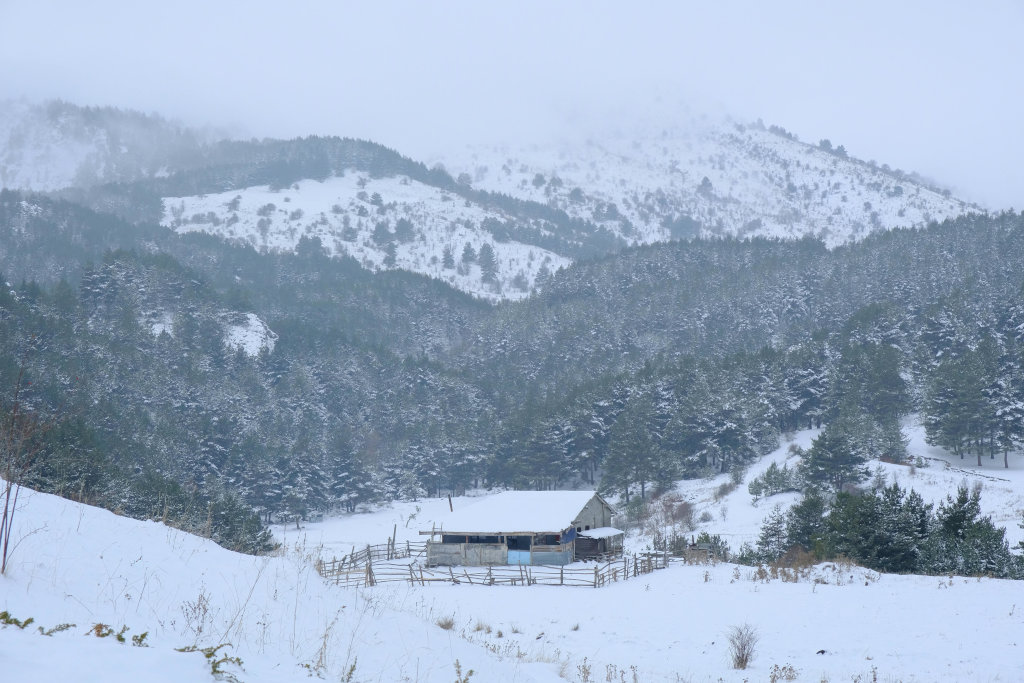
Colorado’s frequent freeze-thaw cycles put extra stress on concrete.
If concrete absorbs moisture before it’s fully cured, freezing can:
-
Expand internal pores
-
Create micro-cracks
-
Lead to long-term surface failure
That’s why proper curing and sealing are so important in our climate.
Wind, Sun, and Humidity Also Matter
Even on mild days, environmental factors can impact installation:
-
Wind speeds up evaporation
-
Direct sunlight heats the surface unevenly
-
Low humidity increases moisture loss
Professional installers monitor all of these variables—not just air temperature.
Timing Is Everything
Weather impacts:
-
When concrete should be poured
-
How it should be finished
-
How long it must be protected during curing
Rushing a pour to “beat the weather” often leads to premature failure.
Why Local Experience Makes a Difference
Contractors unfamiliar with Colorado conditions may:
-
Pour at the wrong time
-
Skip climate-specific steps
-
Use improper mixes
At Wally’s Concrete, we understand how Colorado weather behaves—and how to work with it, not against it.
Can Weather Delay Concrete Projects?
Yes—and that’s a good thing.
Delaying a pour due to weather protects:
-
Strength
-
Appearance
-
Longevity
A professional contractor prioritizes quality over speed.
Built to Handle Colorado Weather
When concrete is installed correctly with weather in mind, it performs exceptionally well—even through harsh winters and hot summers.
That’s how concrete reaches its full lifespan.
Planning a Concrete Project?
If you’re considering concrete installation and wondering about timing, our team can help plan the project around Colorado’s unpredictable weather.
📞 Contact Wally’s Concrete today for expert scheduling, professional installation, and concrete built to last.

Wally’s Concrete is a trusted concrete contractor proudly serving Denver and the surrounding Front Range communities. We specialize in residential and commercial concrete solutions built to handle Colorado’s climate, soil conditions, and long-term wear.