Blog
Concrete Slabs Explained: Garages, Sheds, Foundations, and More
Hits: 75
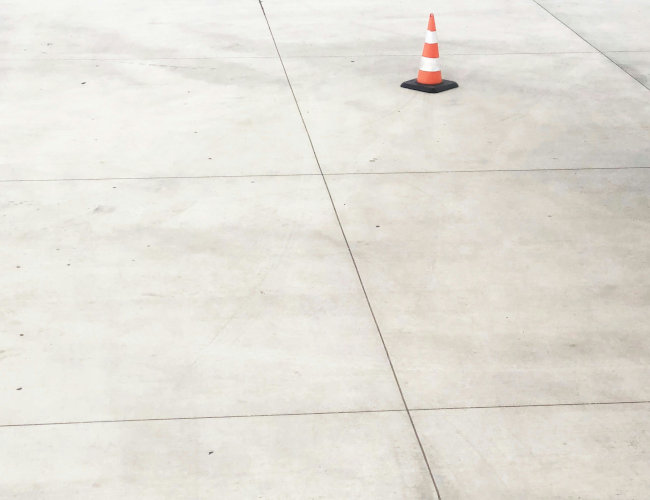
Concrete slabs are the backbone of countless structures—from garages and sheds to foundations and equipment pads. While they may look simple, not all concrete slabs are the same. Thickness, reinforcement, and preparation vary based on how the slab will be used—especially in climates like Denver.
At Wally’s Concrete, we design slabs for long-term performance, not one-size-fits-all solutions. Here’s a clear breakdown of the most common types of concrete slabs and what makes each one different.
What Is a Concrete Slab?
A concrete slab is a flat, horizontal surface poured over a prepared base. Its job is to:
-
Distribute weight evenly
-
Provide a stable surface
-
Resist cracking and settling
-
Handle moisture and temperature changes
The right slab design depends on load, use, and soil conditions.
Garage Slabs: Built for Vehicles & Storage
Garage slabs must support:
-
Vehicle weight
-
Daily traffic
-
Tool and equipment loads
Typical features include:
-
Increased thickness
-
Reinforcement with rebar or mesh
-
Proper slope for drainage
A well-built garage slab prevents cracking, oil staining issues, and uneven settling over time.
Shed Slabs: Simple but Still Important
Shed slabs may seem straightforward, but they still require proper prep.
Key considerations:
-
Stable, compacted base
-
Adequate thickness for stored items
-
Proper elevation to avoid water intrusion
Skipping prep on shed slabs often leads to cracking and shifting within a few seasons.
Foundation Slabs: Precision Matters
Foundation slabs are structural—mistakes are costly.
They require:
-
Engineered thickness and reinforcement
-
Careful grading and drainage
-
Precise forming and curing
-
Compliance with local building codes
This is where professional experience is essential.
Equipment Pads & Utility Slabs
Concrete slabs are commonly used for:
-
HVAC units
-
Generators
-
Trash enclosures
-
Commercial equipment
These pads must:
-
Support concentrated loads
-
Remain level
-
Handle vibration
Even small pads need proper reinforcement and base preparation to last.
Thickness & Reinforcement: Why It Varies
Slab thickness isn’t arbitrary.
It depends on:
-
Load requirements
-
Soil conditions
-
Climate exposure
-
Intended use
Reinforcement helps control cracking and adds strength—but only when designed correctly.
Base Preparation Makes the Difference
Most slab failures start below the concrete.
Proper preparation includes:
-
Excavation to correct depth
-
Compacted gravel or road base
-
Drainage planning
This is especially important in Colorado’s freeze-thaw environment.
Residential vs. Commercial Slabs
Residential slabs prioritize:
-
Function and longevity
-
Clean finishes
-
Cost efficiency
Commercial slabs require:
-
Higher load capacity
-
Thicker sections
-
Code and inspection compliance
Knowing the difference prevents underbuilding.
How Long Do Concrete Slabs Last?
When installed correctly, concrete slabs can last:
-
30–40+ years for residential use
-
Decades for commercial and structural applications
Longevity depends on design, prep, and installation quality.
Build the Right Slab from the Start
Concrete slabs may not be flashy—but they’re critical. Getting the design right from the beginning saves money, prevents repairs, and ensures long-term performance.
📞 Contact Wally’s Concrete today for expert slab design, installation, and a free consultation tailored to your project.

Wally’s Concrete is a trusted concrete contractor proudly serving Denver and the surrounding Front Range communities. We specialize in residential and commercial concrete solutions built to handle Colorado’s climate, soil conditions, and long-term wear.